

Yo Pit Crazies!
Most traders would have sold this Cisco (CSCO) call for 65% gains back in July.
Instead, I held for 5900% using a strategy I learned watching floor customers who understood something retail traders miss: how to stack profits for maximum upside while eliminating additional risk.
Here’s exactly how it worked and why this approach beats the quick-flip mentality plaguing most option traders.
As a floor trader, I watched customers execute what I call “profit stacking” – selling profitable long-term options and rolling the proceeds into higher strikes. The genius isn’t complicated: once you execute the first roll using only profits, you’re holding the next position with zero additional capital at risk.
The CSCO Case Study: How 5,900% Actually Happens
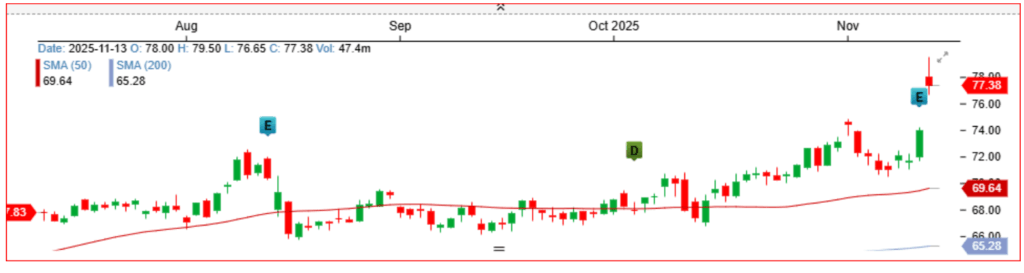
Here’s my actual trade sequence that closed in my Flash 5 service:
June Entry: Bought CSCO January 2026 70 calls for $2.65
July Profit Stack: Cisco made a nice short-term move. I sold those calls for $4.40 (about $1.75 profit) and used that money to buy CSCO January 2026 80 calls.
The Wait: Cisco didn’t do much for three or four months – just vacillated around. But I knew I was sitting on these calls using only profits from the first trade. Zero additional risk.
The Exit: Sold some of those profit-funded calls for $3.00 on a GTC order. That’s where the 5,900% comes from – when your effective cost basis approaches zero through profit stacking, small moves create massive percentage returns.
Every trader faces this dilemma: take the bird in hand or let winners run. Profit stacking solves both problems. You bank initial profits AND keep upside exposure using only money you’ve already made. It’s a contrarian discipline most retail traders can’t handle – they either sell too early or hold too long with full risk.
CSCO looked flat-out great. While high beta names got crushed and VIX continued rallying, quality companies with actual earnings and revenues created opportunity. Cisco’s earnings were solid, sales impressive, and there’s huge optimism around AI infrastructure. Congress stopped spending money for 30 days (A+), and CSCO delivered a strong outlook for enterprises looking to grow.
I’m riding my remaining calls into Christmas, looking for that Santa rally I still think is coming.
Your Profit Stacking Action Plan
When to Stack: Target 50-70% gains on your initial position before rolling.
Strike Selection: Use profits to buy next resistance level or logical price target.
Timeline Requirements: This strategy demands 6+ month patience – not for quick flippers.
Risk Control: Never add new money after the first stack; play only with profits extracted.
Here’s a typical sequence: Buy 6-12 month calls on quality names during weakness. When up 60%, sell and roll to higher strike using only profits. Hold rolled position through catalyst events since you’re playing with extracted gains. Repeat the process if the second leg gains 50%+.
Stocks looked awful today, especially high beta names. With Bitcoin finally selling off below $100,000 and nosebleed-level stocks coming off, maybe we need more bloodletting. Michael Burry shut down his hedge fund yesterday, only to miss the tech selloff literally the day after. As I write this, QQQ is down 2.5%.
But I still see tons of opportunity in underpriced stocks – which is why I launched Flash 7 MAHA. We could see more selling before traders find the bid and start pushing the S&P 500 higher again.
That 5,900% winner started with a simple premise: buy quality companies during weakness with long-dated options, then use profit stacking to stay in the game with zero additional risk. Most traders will never have this patience. That’s exactly why it works.
Next time you’re sitting on 50-70% option gains, consider profit stacking instead of just banking profits. It’s how small positions turn into portfolio-changing wins without risking additional capital.
To Your Trading Success,
AG